
A Natural, Hormone-Light Approach to IVF
What is Natural Cycle IVF?
Personalized Natural Cycle IVF designed for women with low AMH, poor ovarian reserve, or those who prefer minimal stimulation treatment.
Natural Cycle Protocol is a specialized fertility treatment approach where IVF is performed in alignment with a woman’s natural menstrual cycle, without (or with minimal) ovarian stimulation injections. Instead of stimulating the ovaries to produce multiple eggs, this protocol focuses on retrieving the single naturally selected dominant egg.
Under the expert guidance of Dr. Priyanka Bhadana, Clinical Director – IVF & Reproductive Medicine, this approach is carefully recommended for selected patients based on ovarian reserve, medical history, and previous IVF response.
Who is the Right Candidate for Natural Cycle IVF?
Dr. Priyanka believes in evidence-based, patient-specific treatment protocols, ensuring the right candidate selection for better outcomes.
How Natural Cycle Protocol Works
Step 1: Detailed Evaluation
Hormonal profile, ultrasound scan, and cycle tracking are done to identify the naturally developing follicle.
Step 2: Close Monitoring
Minimal medications may be used to prevent premature ovulation. Follicular monitoring is done carefully.
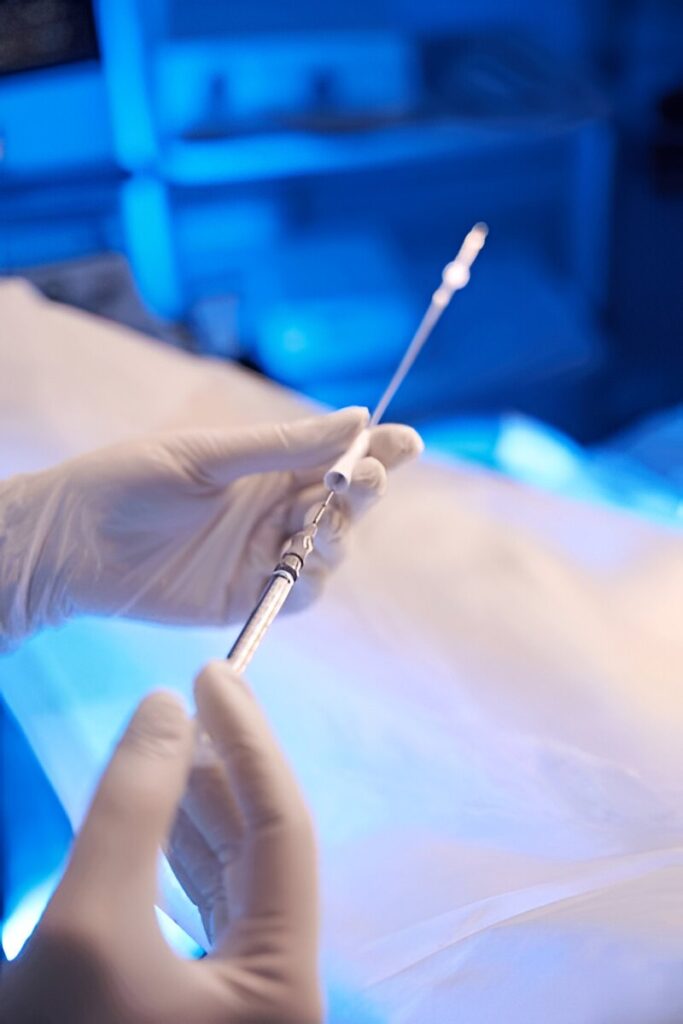
Step 3: Egg Retrieval
When the follicle reaches optimal size, a trigger injection is given and egg retrieval is scheduled.
Step 4: Fertilization & Embryo Transfer
The egg is fertilized using IVF or ICSI. The embryo is transferred in the same cycle or frozen for future transfer.
Benefits of Choosing Natural Cycle IVF
Minimal Hormonal Injections
Lower risk of OHSS
More physiological approach
Reduced medication cost
Suitable for poor ovarian responders
Less physical and emotional burden
Frequently Asked Questions
Yes. Women with low AMH or poor ovarian reserve often do not respond well to high stimulation. Natural Cycle Protocol can be a more suitable and physiological option.
Typically, one mature egg is retrieved during each cycle, as the treatment follows your natural ovulation pattern.
It has a lower risk of OHSS because minimal stimulation drugs are used. However, suitability depends on individual medical factors.