
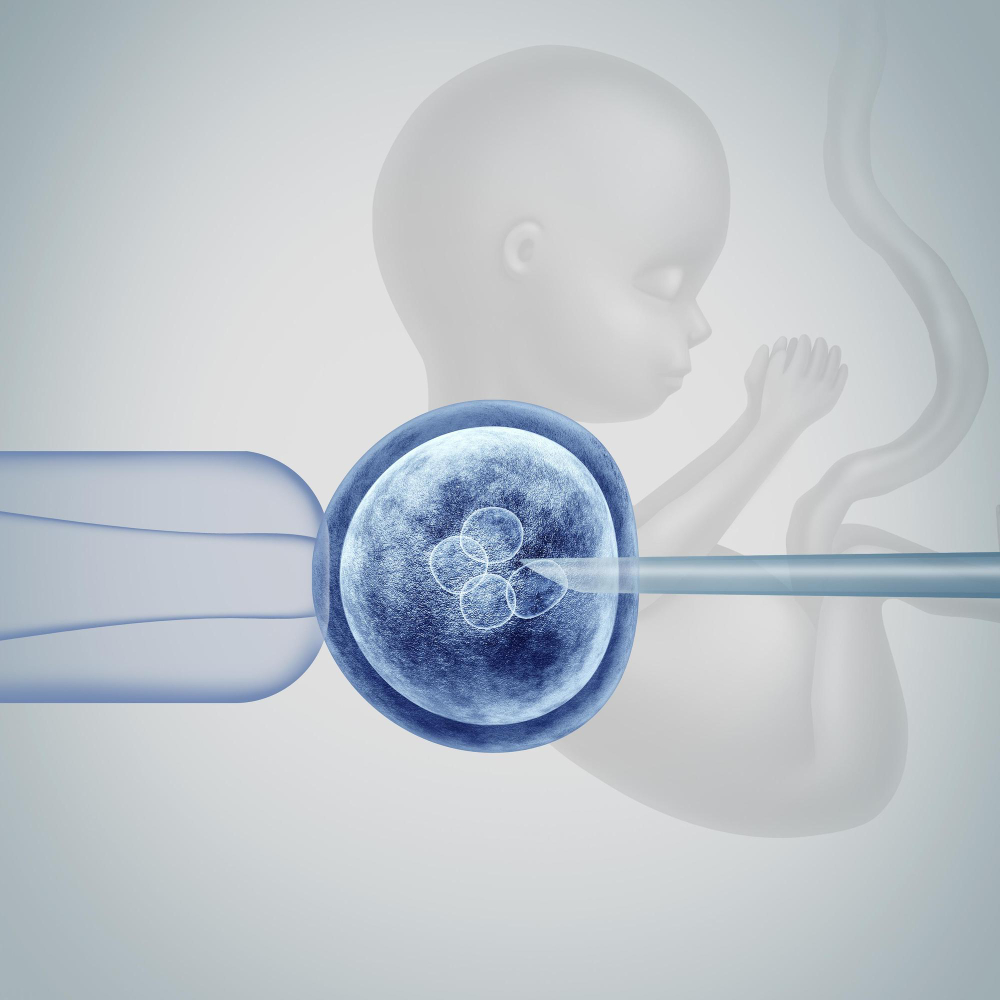
When you’re navigating the world of IVF (in vitro fertilization), one of the biggest decisions you may face is whether to go with a frozen embryo transfer (FET) or a fresh embryo transfer (ET). Both paths can lead to pregnancy success — but science shows they differ in key ways that matter for your health, hormone balance, and chances of conceiving.
Understanding these differences can feel overwhelming. This article breaks it down in a clear, compassionate, and data-backed way to help you make an informed choice with your fertility specialist.
What Are Embryo Transfers? A Quick Overview
In IVF, eggs are fertilized in a laboratory and develop into embryos. At some point, one or more embryos are transferred into the uterus to achieve pregnancy.
There are two main timing strategies:
- Fresh Embryo Transfer – Embryos are transferred in the same IVF cycle that the eggs were retrieved and fertilized.
- Frozen Embryo Transfer (FET) – Embryos are frozen after fertilization and thawed later for transfer in a separate cycle.
At first glance, both approaches achieve the same goal — placing embryos in the uterus. But biology, timing, and science play different roles in each.
Why the Debate Matters
For many families undergoing IVF, the choice between frozen vs. fresh embryo transfer isn’t just technical — it’s emotional, practical, and financially significant.
Here are some key questions patients often ask:
- 🧬 Which method gives me a better chance of pregnancy?
- 🤰 Are there risks or complications associated with one approach?
- 🩺 How does my body’s natural cycle influence success?
- 💰 Does cost differ between fresh and frozen approaches?
Let’s unpack what science says.
Fresh Embryo Transfer: The Traditional Path
With a fresh embryo transfer, embryos are transferred a few days after egg retrieval — usually 3–5 days later.
Advantages
- Shorter Timeframe
Since embryos are transferred soon after fertilization, you don’t have to wait weeks or months between retrieval and transfer. - Less Planning Hassle
There’s no need to schedule and coordinate a separate frozen embryo cycle.
However, fresh transfers may not be the best fit for everyone.
Limitations According to Science
- During egg retrieval and ovarian stimulation, hormone levels (especially estrogen and progesterone) can be higher than normal, which sometimes affects uterine receptivity — the uterus’s ability to welcome an embryo.
- Some studies have shown that this hormone imbalance can impact implantation and pregnancy rates, especially in patients with high estrogen levels.
- There may be a slightly higher risk of ovarian hyperstimulation syndrome (OHSS) — a condition where the ovaries swell — when fresh transfer is done right after stimulation.
Frozen Embryo Transfer (FET): A Growing Favorite
With FET, doctors freeze high-quality embryos and transfer them in a later menstrual cycle — once your hormone levels and uterine environment have normalized.
Why FET Is Becoming More Popular
Advancements in cryopreservation — especially vitrification — have dramatically improved embryo survival rates after freezing and thawing. This means:
- 💧 Embryos survive the freezing and thawing process at a very high rate.
- 🧠 Implantation and pregnancy success rates often match or exceed fresh transfers, according to research.
Scientific Benefits of FET
- Better Uterine Environment
A natural or hormonally prepared cycle gives the uterus time to stabilize — leading to better synchronization between embryo and uterine lining. - Improved Birth Outcomes
Several studies report that FET may be associated with:- Lower risk of preterm birth
- Lower risk of low birth weight
- Lower rates of certain pregnancy complications such as placenta previa
- Reduced Risk of OHSS
Freezing all embryos and delaying transfer allows hormone levels to settle, reducing the risk of OHSS — especially important in patients with high ovarian response.
Are There Drawbacks?
- 🕐 Timing – FET requires additional planning and scheduling of medication to prepare your uterus.
- 💸 Cost – There may be additional costs associated with freezing and storage, although this varies widely by clinic and region.
So, Which Is Better? The Evidence Keeps Evolving
It’s not as simple as declaring one approach universally “better” than the other. The best choice is personalized, based on:
- Your age
- Hormone levels during stimulation
- Number and quality of embryos
- Medical history (e.g., risk of OHSS)
- Your personal preferences and emotional readiness
What Research Shows
- For women with a normal response, pregnancy rates are similar between FET and fresh transfers.
- For women with high estrogen levels or risk of OHSS, FET may offer improved outcomes and fewer complications.
- Some studies suggest slight advantages in live birth rates with FET due to improved uterine receptivity.
Questions to Ask Your Fertility Specialist
When weighing your options, consider asking:
✔ What are my hormone levels telling us right now?
✔ How many good-quality embryos do we have?
✔ Am I at risk for OHSS?
✔ What’s your clinic’s success rate with fresh vs. frozen transfers?
✔ What are the cost differences between these approaches?
Understanding the science and getting honest guidance from your care team will empower you to choose with confidence.
Final Thoughts: Both Paths Lead to Hope
Whether you choose fresh or frozen embryo transfer, what matters most is that you and your fertility care team make a choice based on individualized care and scientific evidence — not myths or guesswork.
Recent advances in embryo freezing technology have elevated FET to a level where it’s no longer a backup plan — it’s a strong contender that many families choose for better uterine health and improved outcomes.
But fresh embryo transfers still play an important role, especially if your hormone levels are optimal and your doctor supports this approach.
The science is clear: both methods can lead to healthy pregnancies. Your journey is unique — and science is here to support you every step of the way.