
ICSI Treatment – Advanced Fertility Solution for Male & Complex Infertility
What is ICSI (Intracytoplasmic Sperm Injection)?
ICSI (Intracytoplasmic Sperm Injection) is an advanced form of IVF in which a single healthy sperm is directly injected into a mature egg under high-powered microscopy to achieve fertilization. This technique significantly improves fertilization rates, especially in cases of severe male infertility or previous IVF failure.
Who Needs ICSI Treatment?
ICSI is recommended in the following conditions:
Severe male factor infertility
Very low sperm count (Oligospermia)
Poor sperm motility (Asthe nozoo spermia)
Abnormal sperm morphology (Tera tozo ospermia)
Severe OATS (Oligo asthenotera tozoo spermia)
Azoospermia (surgical sperm retrieval via TESA, PESA, TESE, Micro-TESE)
Previous IVF failure due to poor fertilization
Use of frozen sperm samples
When performing PGT (Preimplantation Genetic Testing)
IUI Procedure – Step-by-Step Process
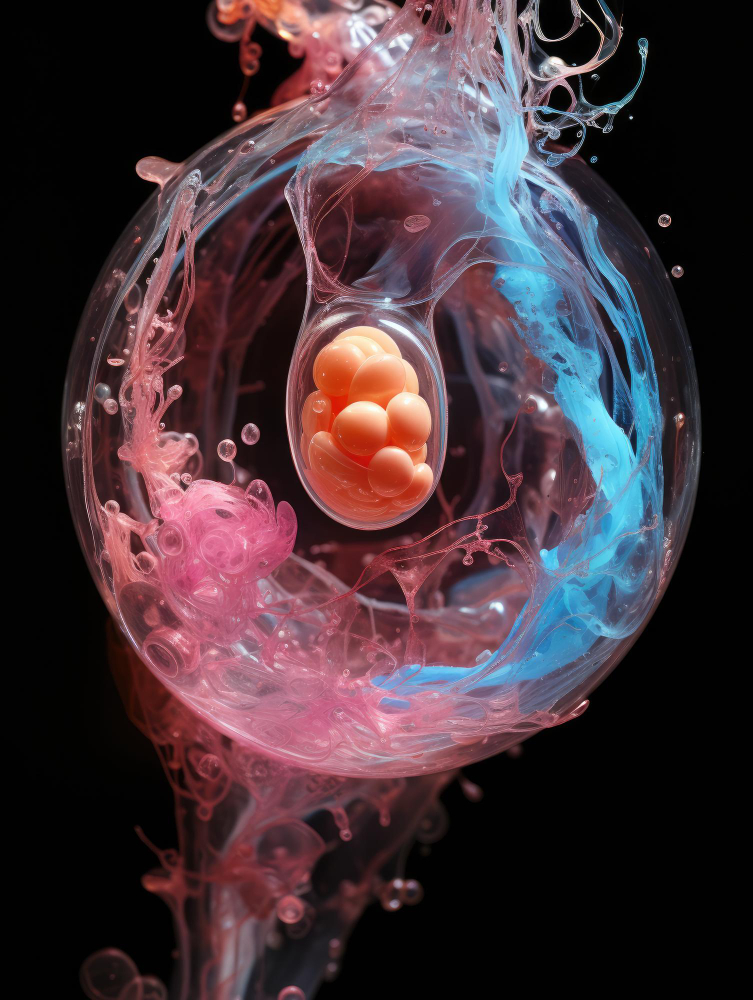
1. Ovarian Stimulation
Controlled ovarian stimulation is done to develop multiple mature eggs using individualized hormone protocols.
2. Egg Retrieval
Eggs are collected through a minor procedure under ultrasound guidance.
3. Sperm Collection or Retrieval
Sperm is collected naturally or surgically retrieved in cases of azoospermia.
4. Microscopic Sperm Injection
A single best-quality sperm is selected and injected directly into each mature egg.

5. Embryo Culture
Fertilized eggs are cultured in the lab for 3–5 days until cleavage or blastocyst stage.
6. Embryo Transfer
The healthiest embryo is transferred into the uterus for implantation.
7. Pregnancy Test
Blood test is performed 12–14 days after embryo transfer.
ICSI vs IVF – What’s the Difference?
IVF
- Eggs and sperm are mixed in a dish
- Natural fertilization process
- Suitable for mild infertility
- Slightly lower fertilization rate in male factor cases
ICSI
- Single sperm is injected into egg
- Direct fertilization
- Best for severe male infertility
- Higher fertilization rate in male factor infertility

Frequently Asked Questions
ICSI is particularly beneficial in cases of male infertility or previous fertilization failure. For other cases, standard IVF may be sufficient.
Success depends largely on female age and embryo quality. Younger patients generally have higher pregnancy rates.
ICSI is a safe and widely practiced procedure. Minor risks are similar to IVF and will be discussed during consultation.